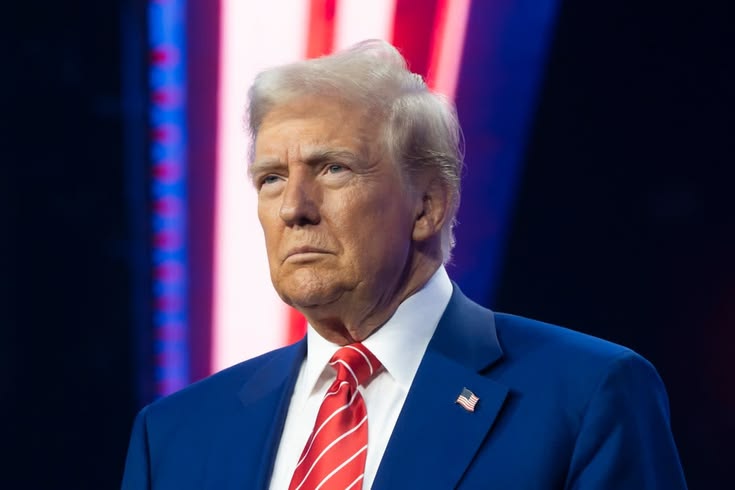
The US threatens to renewed war against Iran as efforts to secure a peace agreement remain deadlocked. President Donald Trump insisted that any deal must meet Washington’s key demands, including a permanent ban on Iran developing nuclear weapons.
The White House signaled that Trump was nearing a decision on a proposed agreement after weeks of difficult negotiations. However, Tehran denied reports that both sides had reached a final deal to end the conflict that has unsettled global markets.
The US threatens renewed war against Iran despite ongoing diplomatic efforts. US officials told AFP that the proposed agreement awaited Trump’s approval, but the president made no final decision after a two-hour meeting in the White House Situation Room on Friday.
Meanwhile, US Defense Secretary Pete Hegseth said in Singapore that Washington could restart military operations if necessary.
“Our ability to recommence if necessary is that we are more than capable,” Hegseth said, adding that US military stockpiles remain fully prepared for any action.
His comments echoed the position of the US Central Command (CENTCOM), which stated on X that American forces remain alert and deployed across the region.
Diplomatic efforts led by Pakistan faced fresh uncertainty this week after US strikes on Iran’s southern port of Bandar Abbas and Iran’s retaliatory attacks.
Despite the tensions, negotiations continued. Parallel talks also sought to end fighting in Lebanon, which Iran insists must form part of any broader peace agreement. Israeli Prime Minister Benjamin Netanyahu said Israeli forces had advanced deeper into Lebanese territory, even as military representatives from both countries met in Washington.
Trump stated that Iran must never acquire nuclear weapons and must reopen the Strait of Hormuz. He repeated these conditions in a social media post announcing the Situation Room meeting.
A White House official said Trump would only approve an agreement that protects US interests and respects his red lines.
“President Trump will only make a deal that is good for America and satisfies his red lines,” the official said.
“Iran can never possess a nuclear weapon,” the official added.
Competing Conditions
Iranian Foreign Ministry spokesman Esmaeil Baqaei rejected Trump’s demands. He said Iran abandoned the language of external dictates 47 years ago.
Baqaei confirmed that both sides continued exchanging messages but stressed that no final agreement had been reached.
Iranian President Masoud Pezeshkian also told the Emir of Qatar that Tehran remained ready to pursue a “dignified framework” to end the conflict.
Trump claimed Iran would remove mines from the Strait of Hormuz, reopen the route without tolls, and cooperate with the US in eliminating enriched uranium stockpiles.
However, Iran’s Fars News Agency reported that Tehran wants the immediate release of $12 billion in frozen assets before moving forward with negotiations.
The report also dismissed Trump’s claims about Hormuz and Iran’s nuclear material, describing them as inaccurate.
Ali, a 49-year-old resident of Tonekabon, said the conflicting statements make it difficult to know the truth.
“Both sides are speaking in a way that keeps their supporters satisfied. It’s not clear who is telling the truth,” he said.
Fighting Continues in Lebanon
Heavy fighting continued in Lebanon as the conflict entered another tense phase.
Netanyahu announced that Israeli forces had advanced beyond a river about 30 kilometers north of the Israeli-Lebanese border.
Hezbollah said it launched attacks on northern Israel and targeted Israeli troops advancing near the historic Beaufort fortress, known locally as Qalaat al-Chakif.
A ceasefire scheduled to take effect on April 17 failed to hold, with both sides accusing each other of violating the agreement.
Lebanon entered the conflict in early March after Iran-backed Hezbollah fired rockets into Israel following the killing of Iran’s supreme leader in joint US-Israeli attacks. Israel responded with airstrikes and a ground offensive.
Israel and Lebanon began direct negotiations in April, and both sides are expected to hold a fourth round of talks in Washington next week.