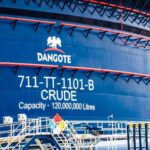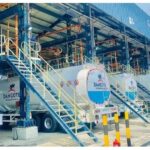
The Dangote refinery reduces forex pressure on Nigeria as the 650,000-barrel-per-day facility cuts the country’s dependence on imported fuel. The Economist Intelligence Unit said the refinery’s growing operations have eased pressure on Nigeria’s foreign exchange market and improved fuel supply across the country.
The EIU explained that the refinery has reshaped Nigeria’s downstream oil sector. For years, Nigeria relied heavily on imported petroleum products despite being Africa’s largest crude oil producer.
According to the report, Dangote refinery reduces forex pressure on Nigeria by meeting nearly 80 per cent of local petrol demand in April. The refinery also produced enough fuel to satisfy domestic consumption as it moved closer to full operational capacity.
The report described Nigeria’s downstream sector before the refinery as dysfunctional. It noted that the country depended almost entirely on costly fuel imports while producing about 1.5 million barrels of crude oil daily.
The EIU added that the refinery has reduced import dependence, improved fuel availability, and strengthened Nigeria’s balance of payments through lower import demand and rising exports of refined petroleum products.
“The gradual ramp-up of the 650,000-barrel/day Dangote refinery since May 2023 has transformed Nigeria’s long dysfunctional downstream sector,” the report stated.
The research division of The Economist Group in London also said the refinery’s full operational capacity and planned expansion would support Nigeria’s economic growth and boost foreign exchange earnings in the coming years.
It added that increased exports from the refinery would support Nigeria’s GDP growth in 2026 and 2027, especially as plans to double the plant’s output progress toward the end of the decade.
The EIU also noted that the refinery’s expansion coincided with major reforms in Nigeria’s downstream sector, including the removal of fuel subsidies and the introduction of market-based pricing.
However, the report said the shift from fuel imports to large-scale local refining has created resistance from groups linked to the old import system.
Tensions increased after the Nigerian Midstream and Downstream Petroleum Regulatory Authority relaxed restrictions on petrol imports despite the refinery’s growing local supply capacity.
Dangote Industries later filed legal action, arguing that continued fuel import approvals weaken domestic refining investments and contradict the goals of the Petroleum Industry Act.
The refinery’s impact also reflects in Nigeria’s broader economy. Earlier this month, S&P Global Ratings cited increased local refining capacity and rising hydrocarbon exports as key reasons for Nigeria’s sovereign credit rating upgrade, the first in 14 years.
Beyond Nigeria, many observers now view the refinery as a strategic industrial asset for Africa, where several countries still depend heavily on imported fuel amid rising energy demand and global oil supply disruptions.