The US and Iran exchange fresh strikes continued on Thursday as both countries launched new military attacks for the second consecutive day. The renewed fighting has increased tensions around the strategic Strait of Hormuz, a key global oil shipping route.
Iran insists it has the right to control the Strait of Hormuz, despite international support for free navigation. The waterway has become a major flashpoint since the conflict began in February.
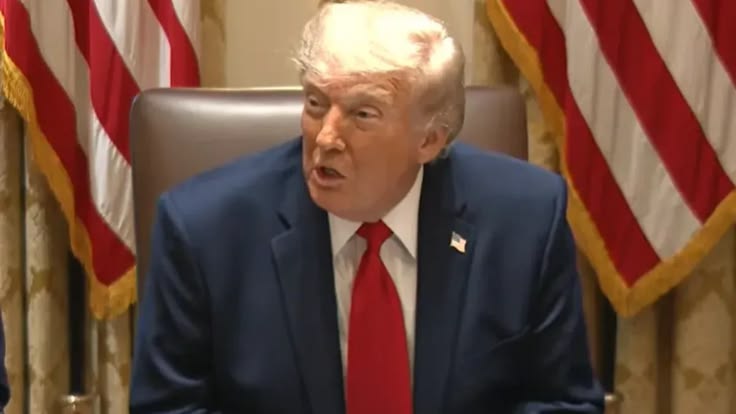
US President Donald Trump declared that the ceasefire with Iran had ended after Wednesday’s attacks. However, he said both sides could still return to negotiations and suggested any further military action would be brief.
The US military said its latest operation targeted Iran’s ability to threaten shipping in the Strait of Hormuz. Officials said the strikes focused on missile sites, drone storage facilities and military logistics centres along Iran’s coastline.
The US and Iran exchange fresh strikes intensified after the US Central Command announced it had hit about 90 military targets, including missile depots, drone storage sites and logistics facilities across Iran’s coast.
Iran quickly responded by attacking US military bases in Kuwait and Bahrain. The Revolutionary Guards claimed responsibility for strikes on key facilities at Arifjan, Ali Al Salem, Juffair and Sheikh Isa bases.
Residents in Bahrain’s capital, Manama, reported hearing explosions, while Kuwait said its air defence systems intercepted hostile missiles and drones.
Iranian state media also reported that US strikes damaged a railway bridge in the country’s northeast and hit a military base in Bushehr, home to Iran’s only civilian nuclear power plant.
Warplanes flew over Kish Island as explosions rocked the port cities of Bandar Abbas, Konarak and Chabahar. Authorities also reported power outages in parts of Chabahar.
Trump said the attacks responded to Iran’s recent strikes on commercial ships. He warned that the US would deliver a stronger response if Iran attacked again.
Speaking aboard Air Force One, Trump revealed that Iranian officials had contacted Washington to discuss a possible agreement. However, he questioned whether a deal would succeed.
Iran’s parliament speaker, Mohammad Bagher Ghalibaf, said the Strait of Hormuz would reopen only under Iran’s conditions. He warned that Iran would respond to any future attacks.
Since the war began in February, Iran has insisted it will regulate traffic through the Strait of Hormuz, collect transit fees and act against ships that ignore its rules.
The latest fighting comes as Iran prepares to bury former supreme leader Ali Khamenei, who was killed at the start of the conflict.
UN Secretary-General Antonio Guterres urged all sides to exercise maximum restraint. Pakistan also called for calm as diplomatic efforts continued.
Iran said Foreign Minister Abbas Araghchi and Qatar’s prime minister discussed the crisis by phone and stressed the need for diplomacy to reduce regional tensions.
Both Washington and Tehran said they struck dozens of military targets during the latest exchanges. Iranian state television reported that eight Iranian military personnel died in the attacks.
A US military official said Iran’s latest strikes caused no American casualties and only limited damage to military facilities.
Oman condemned the attacks on Bahrain, Kuwait and commercial ships while maintaining its neutral position in the conflict.
Although maritime traffic has resumed cautiously, nearly 6,000 seafarers remain stranded near the Strait of Hormuz, according