President Bola Tinubu has reaffirmed his commitment to reviving Nigeria’s dormant NNPC refineries, insisting that the facilities will not become stranded investments. He said the government would adopt a commercially sustainable approach to restore their operations and strengthen domestic fuel production.
Tinubu, represented by the Permanent Secretary of the Ministry of Petroleum Resources, Mrs Patience Oyekunle, spoke on Monday at the 20th OTL Africa Downstream Energy Week in Lagos. He outlined the administration’s priorities for the petroleum industry and stressed the need for stronger investment and operational efficiency.
The Port Harcourt, Warri and Kaduna refineries, managed by the Nigerian National Petroleum Company Limited (NNPC), have remained largely inactive despite billions of naira spent on turnaround maintenance over the years. However, the current NNPC leadership has signed a memorandum of understanding with two Chinese firms to support efforts to revamp the facilities.
Tinubu said the plan to revive the NNPC refineries would involve rigorous technical assessments, stronger partnerships and improved operational discipline. He explained that the government wanted a rehabilitation strategy capable of delivering lasting results rather than repeating previous setbacks.
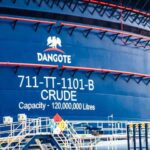
The president also described the emergence of large-scale private refining capacity as a turning point for Nigeria’s petroleum industry. He cited the Dangote Petroleum Refinery as a major development in the country’s ambition to become a net exporter of refined petroleum products.
According to Tinubu, the Dangote refinery has reached its nameplate capacity of 650,000 barrels per day. He said this development could strengthen Nigeria’s ability to supply refined petroleum products to other African countries.
Tinubu further urged operators across the petroleum value chain to support domestic industrial development. He called for greater investment in local content, technology, infrastructure and human capital to strengthen the industry and create more economic opportunities.
He also encouraged investors to explore opportunities in Nigeria’s oil and gas sector. Tinubu said the country remained open to businesses with the technical expertise and financial capacity to develop its petroleum resources.
The planned refinery rehabilitation comes as Nigeria seeks to reduce its dependence on imported fuel and maximise the value of its crude oil resources. However, the government must ensure that its latest efforts produce measurable results after years of costly maintenance programmes.
Ultimately, reviving the NNPC refineries will require more than promises and agreements. The government must ensure transparent spending, effective project supervision and reliable operations. Delivering on these commitments could strengthen energy security, support local industries and create jobs. Most importantly, it would help Nigerians see tangible benefits from the country’s vast petroleum resources.